What to wear to a gallery afternoon
Published Oct 14, 2026 · Updated Oct 16, 2026 · By June, Scene editor
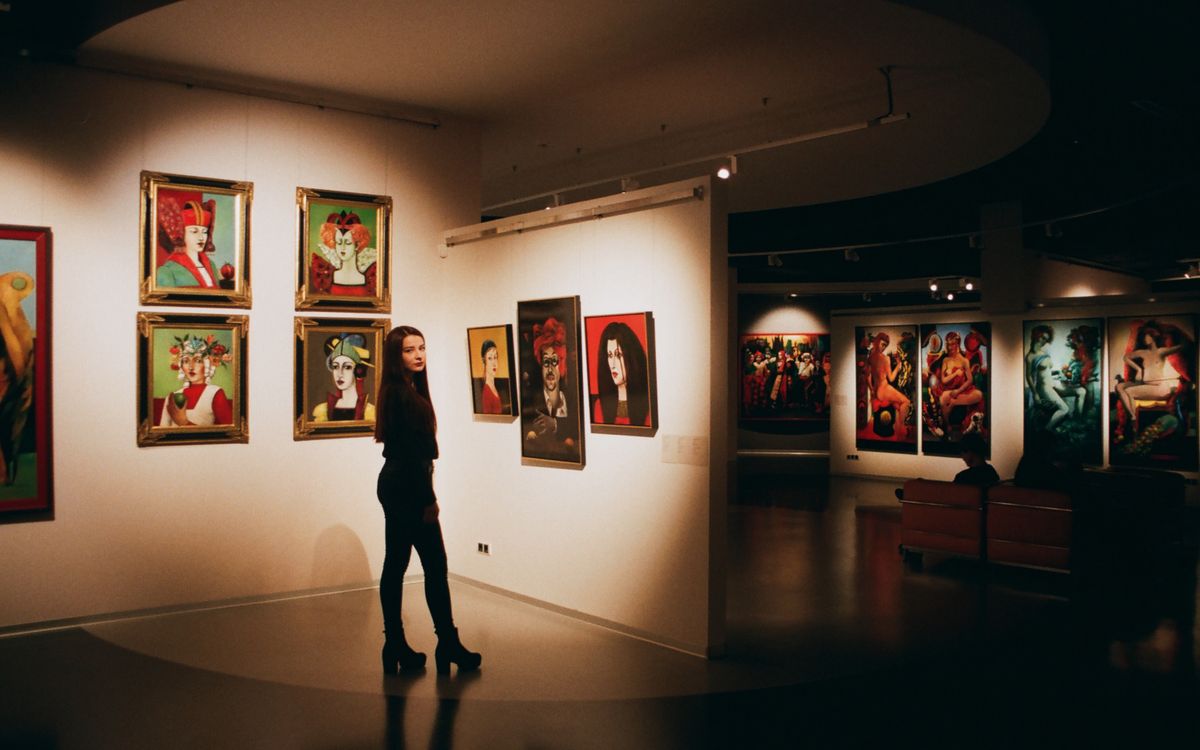
A gallery afternoon is a study in contrast: a cold walk, a warm room, and an hour or two of standing on hard floors. The outfit that works is quieter than the one you’d wear to dinner and more considered than the one you’d wear to a market.
Set the scene
Time: afternoon, usually 1–5 p.m. Where: white rooms, concrete or wood floors, cloakroom at the entrance. Formality: level 2–3. The swing: outside temperature drops while you’re inside; the rooms themselves stay warm and dry. The real constraint is standing, not walking.
The three decisions
1. Build the outfit for indoors. The rooms run warm — climate control protects the work, and the target range sits in the low 70s°F. Your coat is transit only. That means the layer you wear underneath has to be complete on its own: a fine knit over a base, or a shirt with a light jacket, not a base layer you were planning to cover.
2. Choose a coat that checks. Structured wool coats check well and come back uncreased. Puffers and heavy parkas are a problem in a small cloakroom and a problem on your arm if there’s no cloakroom at all. In October, a mid-weight coat is the right call; in January, wear the coat you can carry.
3. Shoes for standing, not walking. Concrete floors punish thin soles after about forty minutes. A low block heel, a loafer with a rubber sole, or a clean sneaker with support all work. Save the delicate leather sole for dinner.
What to wear, specifically
A fine-gauge knit (charcoal, cream, navy) with wool trousers or dark denim. One layer over it: a blazer, a shirt jacket, or a cardigan. A small crossbody or a tote that can be checked. One accessory, and nothing that jingles.
Quiet is the aesthetic. No logo belts, no statement earrings that catch the light, no perfume that arrives before you do. The room is doing the talking.
Variations
Opening night: the same logic, one level up — add a jacket with structure and swap the sneaker for a loafer. A museum with timed entry: wear the lightest possible coat and check it; you’ll be walking for three hours, not one. A commercial gallery on a Saturday: level 2 is plenty, and a tote with a notebook is part of the uniform.
The bag and the cloakroom
The cloakroom decides what you can carry. Most desks take coats and large bags but not small ones, and a crossbody usually stays on your shoulder for the whole visit. That makes the bag a worn object rather than a checked one: it has to sit flat, stay quiet when you lean in to read a label, and hold a phone without a strap that swings against the wall. A tote with a notebook is the exception — check the tote, keep the notebook.
The gallery scene rewards restraint and a bag you can hand over at the door. Everything else is negotiable.
Frequently asked questions
- Can I wear a coat into a gallery?
- Most galleries have a cloakroom or a coat check, and many ask you to leave large bags and wet outerwear at the desk. A structured coat is fine if it can be checked; a puffer you have to carry through the rooms is not. In winter, wear the layer you can live in once the coat comes off.
- Are jeans acceptable at a gallery?
- Yes — dark, unripped denim at level 2–3 reads fine in almost every contemporary gallery. What reads wrong is anything that draws attention to itself: heavy logos, very short hemlines, shoes that announce every step. Galleries are quiet rooms; the outfit should be too.
- Why do galleries feel warm?
- Climate control protects the art, and the target range sits in the low 70s°F year-round, often with the sun through glass. That's why the outfit underneath your coat matters more than the coat: you'll spend most of the visit in it.