Wool trousers: rise, drape, and the measurements that matter
Published Oct 18, 2026 · Updated Oct 19, 2026 · By Iris, Pieces & materials editor
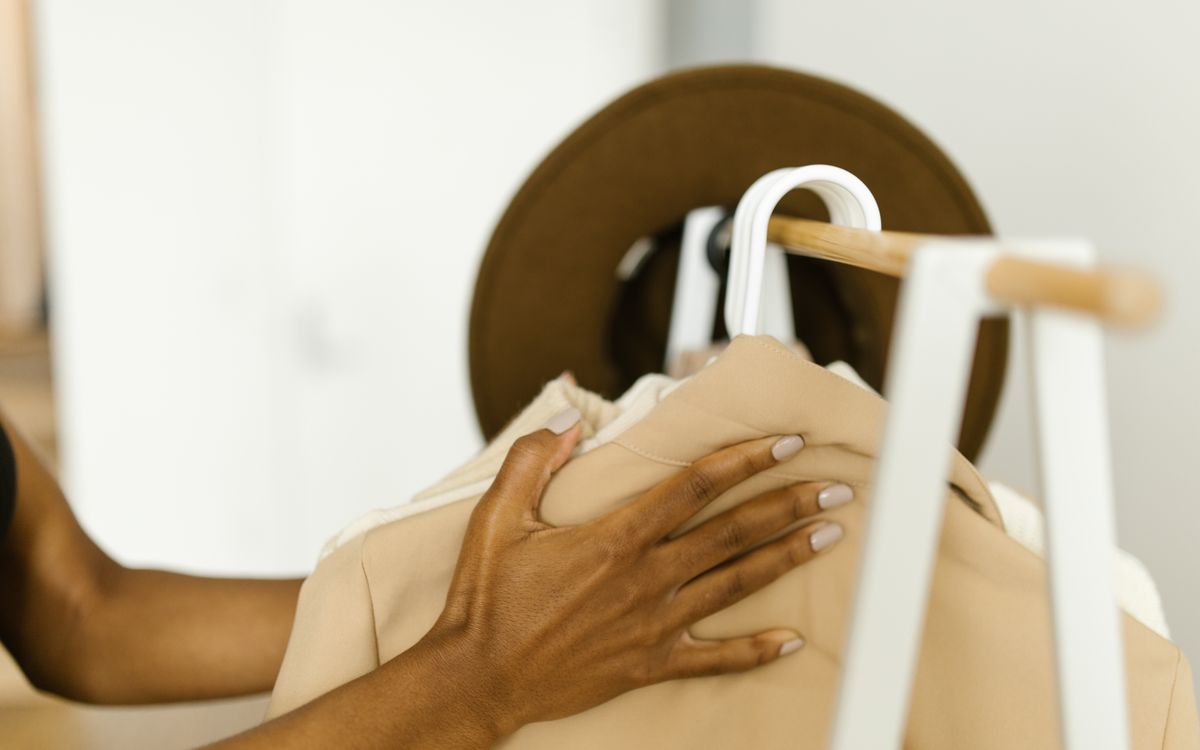
A wool trouser is three decisions made before color enters the picture: where the waistband sits, how much fabric hangs from it, and how much room the leg allows. Drape, break, and how it reads in a room all follow. Here is what each measurement controls, and what it costs to change.
Rise sets the register
Rise is the distance from the crotch seam to the top of the waistband, and it does more than any other number. High rise, roughly 11 inches and up, sits at or near the natural waist, lengthens the leg, and stays put when you sit. Mid-rise, usually 9.5 to 11 inches, suits most bodies and most scenes. Low rise, below about 9.5, reads casual, leans on a belt, and gaps at the back waistband when you sit — the tell that the rise is short for your torso.
Scene follows rise: longer holds a tucked shirt cleanly through dinner; shorter is built for untucked and weekends.
Drape is mostly about weight
Wool is weighed in ounces per square yard (oz/yd²), and the number tells you how the fabric hangs. A summer tropical around 8-10 oz keeps a crisp line and breathes. A midweight flannel in the 11-13 oz range drapes closer to the body. Heavier twills, 14 oz and up, hold a sculpted, structured edge.
Cut interacts with weight: pleats feed volume into the thigh and let heavier fabric swing, while a flat front keeps lighter fabric sharp.
Thigh room decides what a tailor can fix
Measure the thigh about an inch below the crotch. A well-cut trouser leaves roughly half an inch to an inch of ease there — enough to sit without strain at the fork, not so much that the leg blouses. This number limits every alteration downstream: trousers snug at the thigh cannot be tapered, and roomy ones can only be taken in so far before the seat looks wrong.
If a trouser fights you at the thigh when you walk, no tailor will save it. Choose the next size and have the waist taken in.
The hem, and what changes cost
At most US tailors, a basic hem runs $20-$40; tapering a leg starts around $50, and taking in a waistband costs about the same. Lengthening is limited by the turned-up fabric the factory left — often under an inch. Two alterations can add half the price of a fast-fashion trouser to a good one.
Always measure the inseam wearing the shoes you will actually wear with the trousers. Half an inch of shoe changes the break.
How to measure a pair you already own
The fastest way to shop well is to measure the trousers that already fit. Lay each pair flat, smooth, and take these:
| Measurement | How to take it |
|---|---|
| Waist | Across the waistband, flat, then double it |
| Front rise | Crotch seam to top of waistband, straight along the fly |
| Inseam | Crotch seam to hem, straight down |
| Thigh | One inch below the crotch, across, then double |
| Leg opening | Across the hem, flat, then double |
| Outseam | Waistband to hem, along the side seam |
Those six numbers — waist and rise above all — describe fit more honestly than any size on a tag. Write them down once and every future pair gets easier to judge.
Read the rise and the thigh first. If those two are right, a tailor can usually fix the rest; if they are wrong, no one can.
Frequently asked questions
- What rise should I choose?
- Mid-rise is the default that suits most bodies and most scenes. High rise reads more formal and stays put when you sit; low rise reads casual and tends to gap at the back waistband when seated. If you tuck shirts in often, or you sit for long stretches, bias toward a longer rise.
- Can any pair of wool trousers be tapered?
- Most can be narrowed at the leg opening if there is enough fabric along the outseam to remove. What a tailor cannot do is add ease back — trousers that are already snug at the thigh cannot be tapered without pulling the whole leg.
- Why do my trousers ride down when I sit?
- Usually the rise is too short for your torso, so the waistband lands below the natural waist and slides as you bend. A longer rise stays at the waist. A tailor can sometimes drop a waistband, but crotch depth cannot be added back after the fact.