Cashmere care: washing, drying, and storing it right
Published Oct 16, 2026 · Updated Oct 17, 2026 · By Iris, Pieces & materials editor
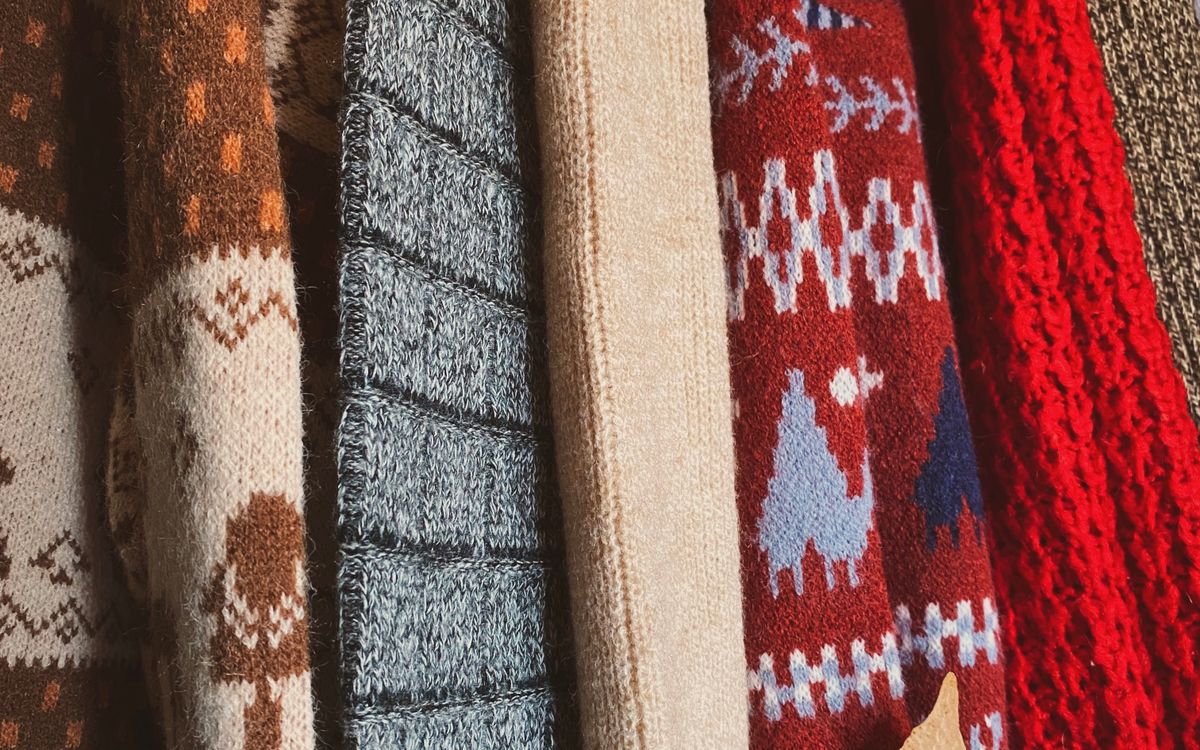
Cashmere is the fine undercoat of the cashmere goat, combed in spring — the softest, warmest-per-gram, and least forgiving fiber most people own. It is not fragile, but it is protein: heat, agitation, and friction shorten its life, and everything below controls those three. Where this note and the care label disagree, the label wins.
Washing: the three decisions
Detergent. Use a detergent made for wool or delicates — pH-neutral, no enzymes, no bleach. Enzymes that break down protein stains do not distinguish between a stain and the fiber; standard detergent is the most common way a sweater gets thin. Water. Cool to lukewarm, never hot — the label will usually cap it at 30°C or below. Hot water is the step that does lasting damage. Agitation. Hand wash if you can: submerge, press the soap through, let it sit, then rinse. Never wring or twist. If the label permits machine washing, a gentle cold cycle in a mesh bag usually works.
Air cashmere between wears and it needs washing far less often than cotton — steam handles odors; wash when it is actually soiled.
Drying: flat, always
Lay it flat on a dry towel, roll the towel to press out water, reshape to its measurements, and leave it flat to dry. No tumble drying — heat turns a soft knit into a child’s sweater. No radiators, no direct sun, no hangers: a wet sweater hanging stretches under its own weight, and stretched shoulders do not come back.
The care label, decoded
The symbols are standardized (ISO 3758, current edition 2023), so five of them cover almost everything:
- Washtub with a number: machine wash at up to that temperature in °C (30 means 30°C).
- Hand in the washtub: hand wash only, no machine.
- Crossed-out washtub: do not wash at all — professional cleaning only.
- Crossed-out triangle: no bleach — never correct on protein fibers.
- Circle: professional textile care; the letter inside names the solvent class.
Most cashmere carries either a hand-washtub at 30 or a crossed-out one with a circle, and both routes end at the same place: dry flat, away from heat.
Storage: the moth problem
Clothes moths lay eggs in dark, undisturbed places, and the larvae eat keratin — wool and cashmere are the meal. A pattern in owner reports and pest guidance alike: larvae seek out soiled areas, so residue attracts them more than clean fiber does. Storage is then simple to get right:
- Wash before storing. Never put a knit away for the season with a summer of wear on it.
- Seal it. Airtight bins or zip bags beat open shelves. Cedar is the traditional answer; the wood’s aroma deters while it is strong, and fades — sanding revives it.
- Check in spring. A few holes in a folded sweater is the usual first sign; the larva, not the adult moth, does the damage.
Pilling: normal, fixable
Pilling is short fibers migrating to the surface and tangling under friction. Every cashmere pills, especially where it rubs — under a coat sleeve, against a bag strap. Remove pills with a sweater comb or fabric shaver, gently; aggressive shaving cuts the knit. Prevention beats removal: gentle washing, flat drying, and rotating wears.
The routine, in one paragraph
Air it, wash it rarely and cool, press — never wring — dry it flat and shaped, store it clean and sealed. Cashmere rewards restraint: the sweaters that last decades are the ones that were washed least.
Frequently asked questions
- How often should cashmere be washed?
- Far less often than cotton. Airing between wears handles most of it; wash when it is actually needed — typically every several wears, or once a season for a lightly used piece. Over-washing ages cashmere faster than wearing it does.
- Can I machine wash cashmere?
- If the label allows it, a gentle cold cycle in a mesh bag usually works — but hand washing in cool water is the lower-risk routine and takes minutes. The real damage comes from heat: hot water, tumble drying, and drying on a radiator.
- How do I deal with pilling?
- Pilling is short fibers migrating to the surface, and it happens to all cashmere. A sweater comb or a fabric shaver removes the pills. Prevention is gentle washing, flat drying, and not wearing the same knit against a rough outer layer every day.