The crossbody bag, decoded
Published Oct 14, 2026 · Updated Oct 16, 2026 · By Iris, Pieces & materials editor
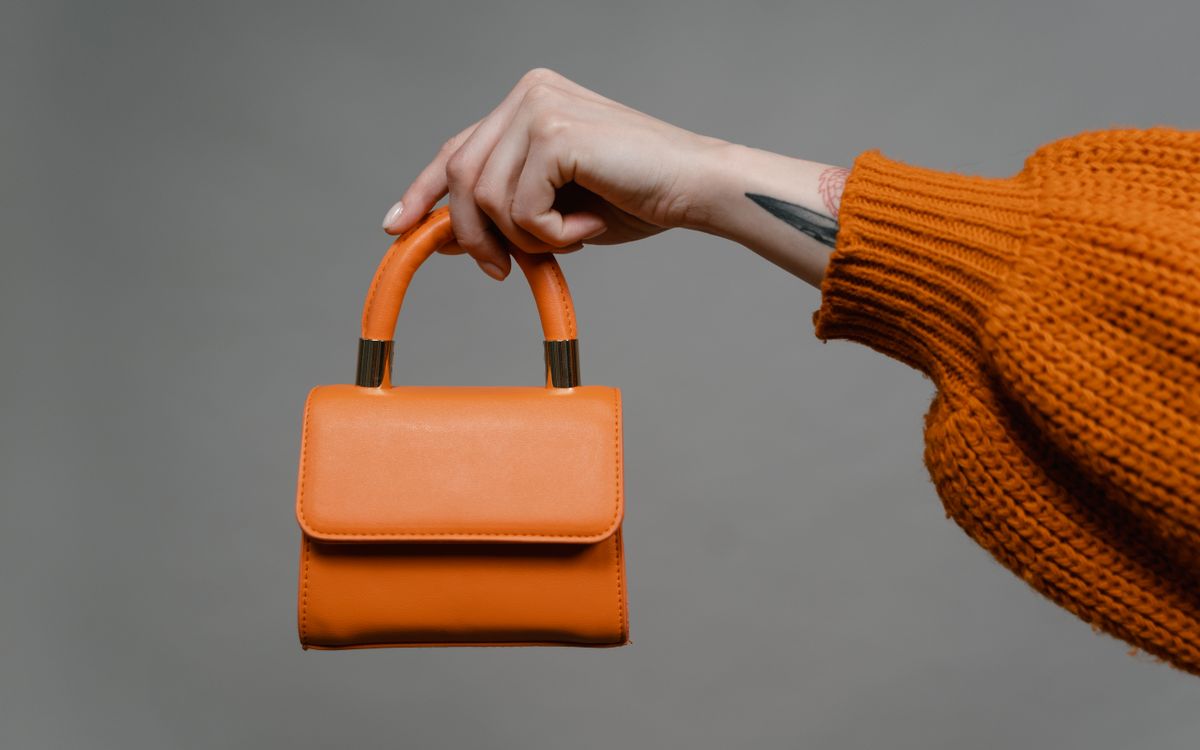
A crossbody bag solves a specific problem: carrying a few things while keeping both hands free. That makes it a practical choice first and a style choice second, and the practical details are where most purchases go wrong.
The three dimensions
1. Capacity, honestly measured. A crossbody carries a phone, a card case, keys, and maybe a small notebook. If you need a laptop, a water bottle, or a change of shoes, it’s the wrong category — that’s a tote or a backpack. Buy for the actual daily load, not the theoretical one.
2. Strap length and attachment. The bag should sit at hip level when worn across the body. Adjustability matters, but so does where the strap attaches: a top-mounted strap lets the bag lie flat against the body; a side-mounted one swings when you walk. Check both before you commit.
3. The closure and the opening. A zip is the secure default. A flap with a magnetic closure is faster but less secure in a crowd. A top-handle opening that’s too narrow makes the bag annoying every single time you reach for a card.
What to look for
Leather or coated canvas for daily use — both handle rain and abrasion better than suede or fabric. A flat back panel so it sits against the body without rolling. A lining that isn’t slippery, so small items don’t slide to the bottom corner. Hardware that’s stitched through leather, not just riveted, if you plan to carry it daily for years.
What to skip
Convertible bags that promise to be a clutch, a shoulder bag, and a crossbody usually do none of the three well. Mini bags that hold a phone and nothing else are a scene accessory, not a daily bag. And any bag whose strap is not replaceable is a bag with a built-in expiry date.
How it reads in a scene
At level 1–2, a crossbody is the default bus-and-market bag: hands free, secure, unobtrusive. At level 3 it works if the leather is smooth and the hardware is quiet. Above level 3, it gives way to a clutch or a small top-handle — but for most days, most scenes, this is the bag that does the most work.
In rain
Coated canvas sheds water and dries flat; untreated leather darkens, then dries to a watermark unless it’s wiped and left to dry away from heat. Neither is ruined by one shower, but the difference shows up over a winter. The part that fails first is not the body — it’s the strap edge and the hardware. Painted or raw leather edges soften and curl; plated hardware spots. A bag with sealed edges and solid hardware costs more and survives the wet months, which is most of the reason to pay for it.
Buy the size you’ll actually carry, with a strap you can lengthen in winter. Everything else is detail.
Frequently asked questions
- What size crossbody works for daily use?
- Big enough for a phone, a card case, keys, and a small notebook; small enough that it doesn't pull at the shoulder after an hour. In practice that's a body around 8 to 10 inches wide. Anything bigger becomes a shoulder bag in disguise, which is fine but behaves differently.
- Should the strap be adjustable?
- Yes, and check the range, not just the presence of a buckle. The strap needs to sit at hip level when worn across the body, and that height varies with your torso. A bag that hangs at the waist instead of the hip swings and chafes; one that sits too high reads like a purse.
- Can a crossbody work over a winter coat?
- It can, but the strap needs length to spare and the bag needs a flat back. Bulk under the strap is what makes a crossbody uncomfortable in winter — the fix is either a longer strap worn outside the coat or a smaller body that sits higher.